
Tara Flannery is a Certified Professional Photographer (CPP), Photographic Craftsman, and Master of Photography based in Houston, TX. Tara Flannery Photography specializes in corporate headshots. See more headshots in the gallery. Contact me to book your professional headshot today!
Table of Contents
What Not to Wear for Headshots
When you’re preparing for a professional headshot, your wardrobe can feel like an afterthought… until you see a photo with a strange shimmering pattern, vibrating stripes, or rainbow-like waves across your shirt.
That effect is called moiré, and it’s one of the main reasons photographers have very specific recommendations about what not to wear for headshots.
As a headshot photographer with more than two decades behind the camera, I’ve seen how the right clothing choices elevate your image—and how the wrong ones can distract from your face, your expression, and your message. The goal of every headshot is the same: keep the viewer’s attention on YOU. Your outfit should support that, not compete with it.
Let’s break down exactly what causes moiré, what clothing to avoid, and what to wear instead.
What Is Moiré (And Why Does It Ruin Photos)?
Moiré is that shimmering, wavy, rainbow-like distortion that appears when tiny patterns on clothing intersect with the pixel grid of a digital camera. Essentially, the pattern on your outfit visually “fights” with the pattern inside the camera sensor.
Selfies hide this better because phone cameras are forgiving—but a professional camera is far more detailed and will amplify even the subtlest pattern conflict.
When moiré shows up:
- It pulls attention away from your face
- It makes the image look lower quality
- It can’t always be fully removed in editing
That’s why the safest strategy is simple: avoid patterns that create it in the first place.

What NOT to Wear
1. Intricate or High-Contrast Patterns
Anything tiny, repeating, or high contrast can trigger moiré instantly.
Avoid fabrics like:
- Herringbone
- Houndstooth
- Tight chevron
- Micro-checks
- High-contrast small plaids
These patterns look beautiful in person—but on camera, they create visual chaos.
2. Thin Stripes & Pinstripes
Pinstripes are one of the worst offenders.
They “strobe” on camera, creating a vibrating or dancing effect that distracts from your face.
This includes:
- Pinstripe suit jackets
- Pinstripe button-downs
- Thin-striped blouses
Even a subtle stripe can cause issues under studio lighting.
3. Tight Checks, Small Plaids, and Mini Patterns
Small-scale checks or Glen plaids create the same sensor interference as pinstripes. From a distance, these patterns compress and become even more problematic.
If you’re wearing a pattern, it needs to be large, soft, and low contrast.
4. Shiny or Reflective Fabrics
Moiré isn’t always about patterns—sometimes it’s about how the fabric reflects light.
Avoid:
- Silk
- Satin
- Sequins
- Metallic threads
These materials bounce light unevenly and can highlight texture in unflattering ways. If you love a silky shell under a blazer, don’t worry—under a jacket is typically safe.
5. Fine, High-Texture Fabrics (Tweed, Corduroy, Tight Weaves)
Dense weaves can confuse the sensor just as much as small patterns. They also add unnecessary visual weight in a close-up portrait.
Tweed in particular can look bulky on camera.
What to Wear Instead
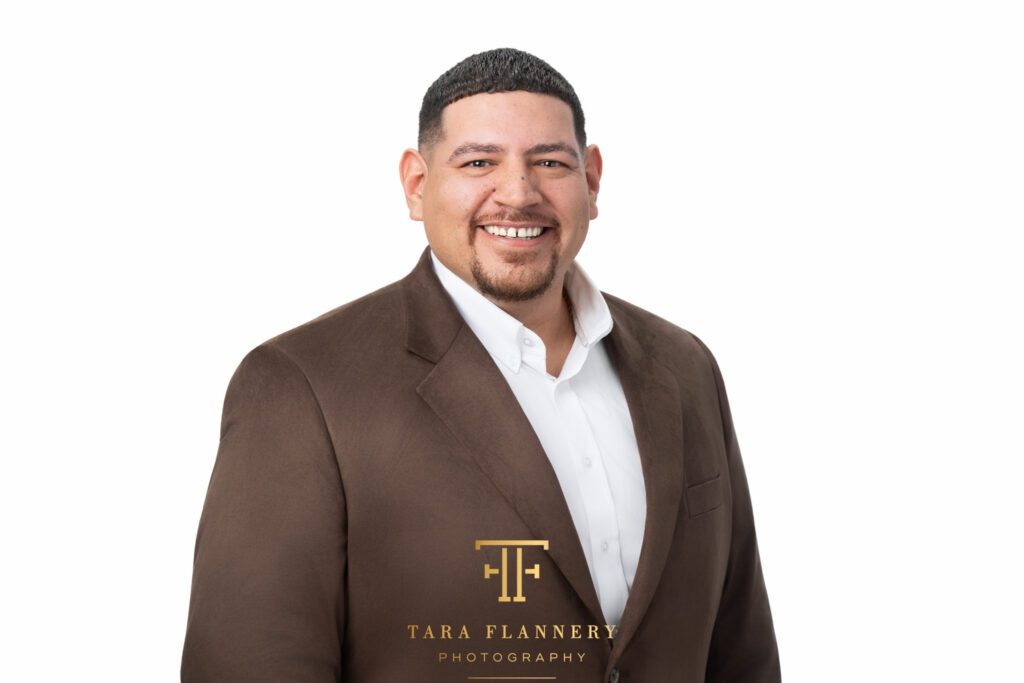
Here are the most camera-safe wardrobe choices for your next headshot.
1. Solid, Mid-Tone Colors
Think:
- Navy
- Charcoal
- Forest green
- Burgundy
- Deep plum
These tones photograph beautifully and put the focus on your face.
2. Matte, Non-Reflective Fabrics
Matte fabrics absorb light evenly, keeping your image clean and polished.
3. Soft, Large-Scale Patterns (If You Must Wear One)
Patterns should be:
- Large
- Low contrast
- Minimal
Tone-on-tone prints can work beautifully.
4. Layers for Depth & Structure
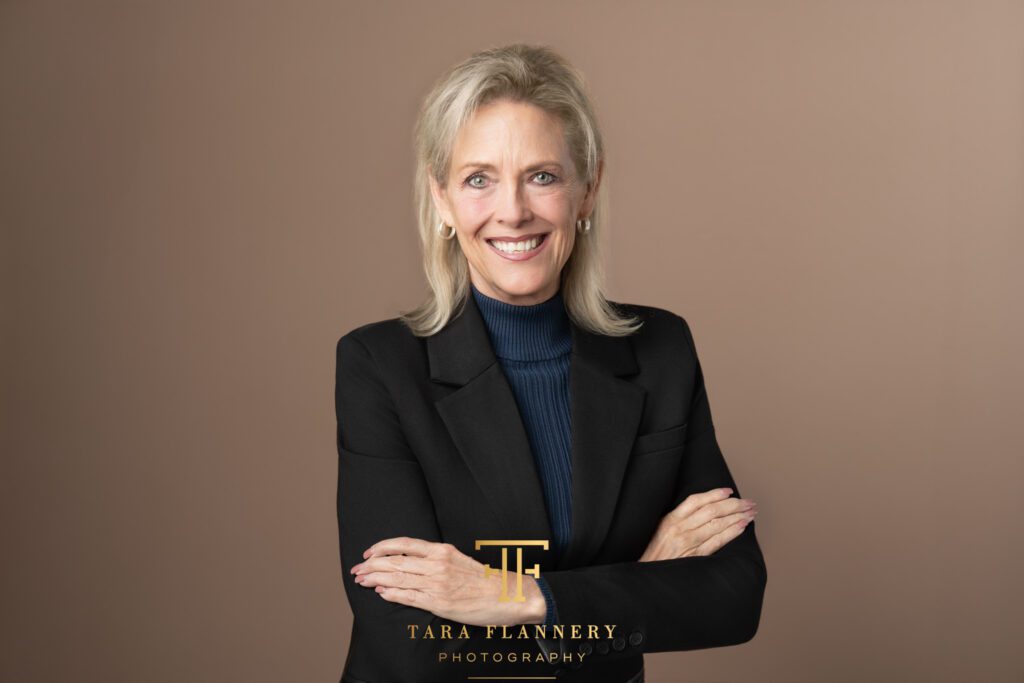
Blazers, jackets, and cardigans add shape and polish—especially in corporate or executive headshots. They also help break up solid colors without introducing moiré risk.
Final Thoughts: Your Wardrobe Should Support Your Brand—Not Distract From It
Your headshot is often your first impression online.
When your clothing creates visual distractions, it takes attention away from the confidence, warmth, and authority you’re trying to convey.
By choosing simple, clean, camera-friendly wardrobe options, you ensure the viewer sees exactly what you want them to see: you at your best.
Ready to Ditch Wardrobe Worries and Get a Headshot You Love?
If you’re ready for a polished, moiré-free headshot that represents your brand with confidence and clarity…
Click HERE to schedule your professional headshot session. Let’s create an image that looks as incredible as you are—no shimmer, no distortion, no distractions.
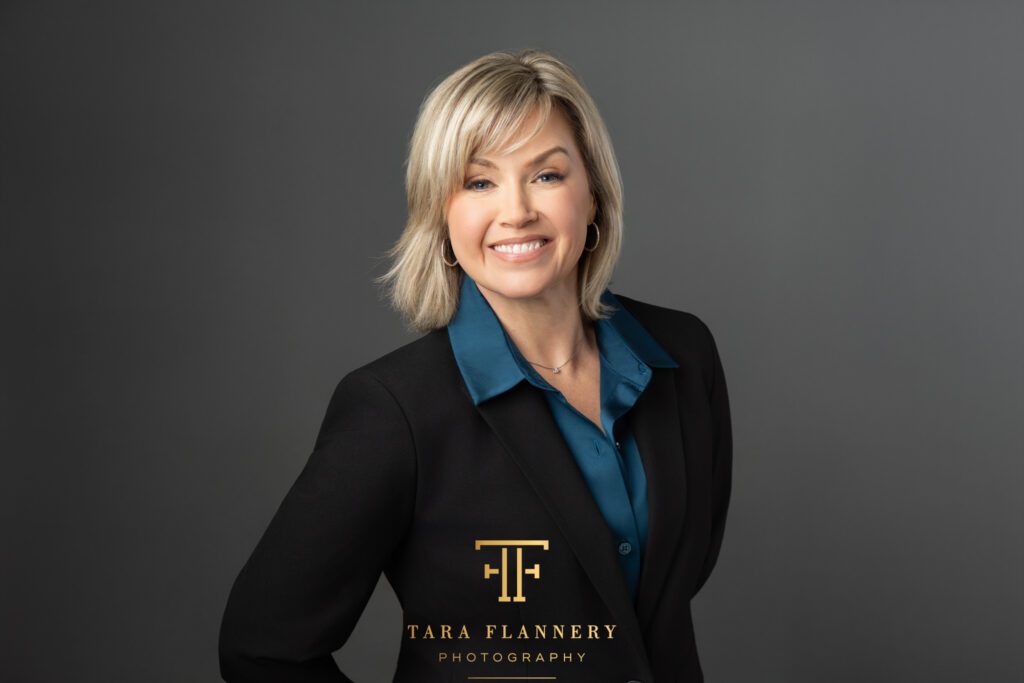
Tara Flannery is a Certified Professional Photographer (CPP), Photographic Craftsman, and Master of Photography based in Houston, TX. Tara Flannery Photography specializes in corporate headshots. See more headshots in the gallery. Contact me to book your professional headshot today!