
Tara Flannery is a Certified Professional Photographer (CPP), Photographic Craftsman, and Master of Photography based in Houston, TX. Tara Flannery Photography specializes in senior portraits. See more senior photos in the gallery. Contact me to book your senior portrait today!
Table of Contents
We’re excited to feature a guest blog post by Leslie Campbell, a renowned owner and brand strategist. As a professional brand strategist, Leslie shares her expert advice on understanding the fundamentals of branding, which is crucial for anyone seeking to create a cohesive and impactful brand image. Being a professional headshot and branding photographer myself, I often see the importance of a well-defined brand strategy, and Leslie’s guidance can help you achieve just that.
What is Branding?
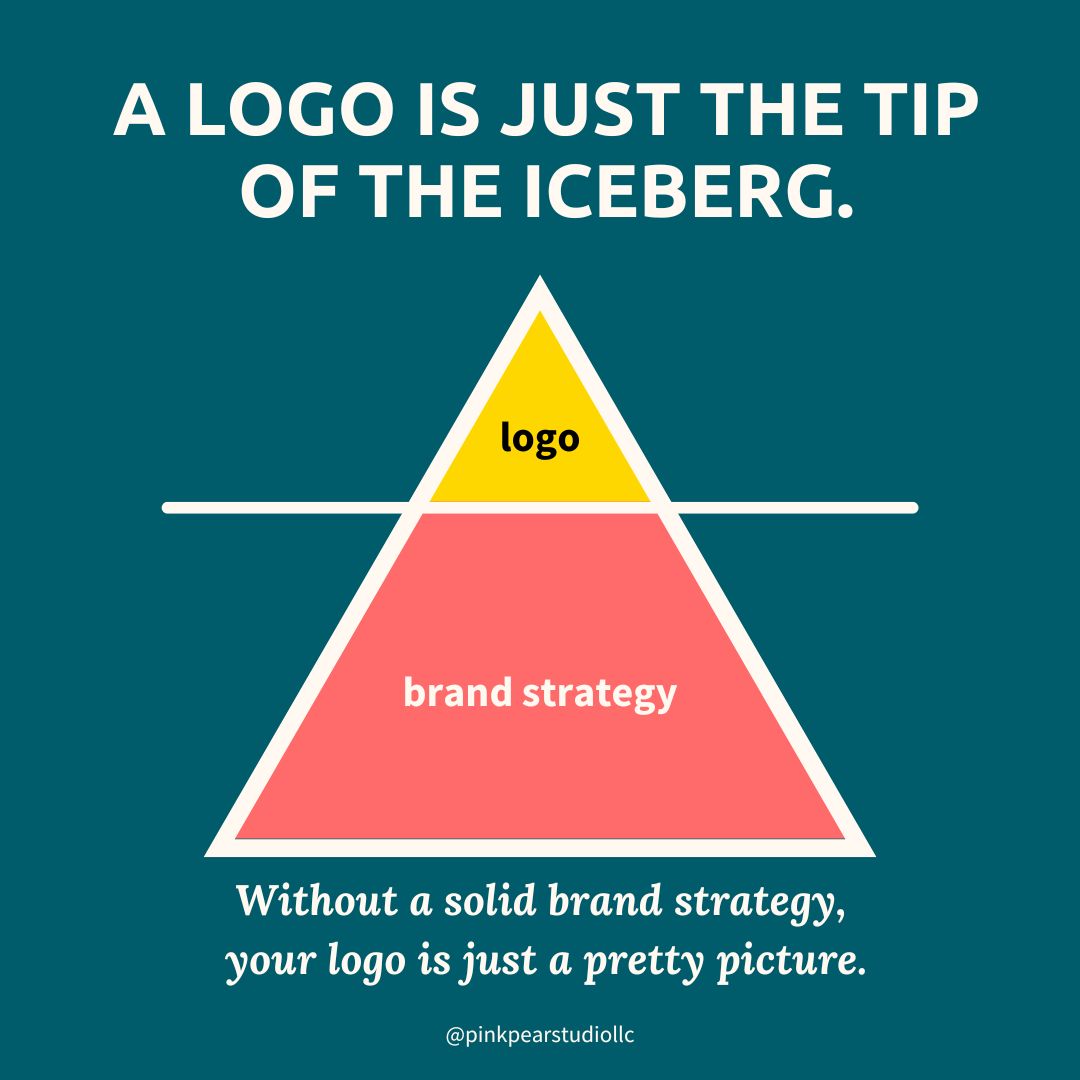
When people think of branding, the first thing that often comes to mind is a logo. While a logo is an essential component, it’s merely the tip of the iceberg. Branding encompasses so much more! Understanding what branding is and what you need for your brand is crucial for business success.

Client: Blondie’s Bakery | Project: Visual Brand Design
To pare it down to its essentials, branding is the process of creating a distinct identity for a business in the minds of consumers. In other words, it’s how your business is perceived, how it makes people feel, and what it stands for. A strong brand identity includes not just the visual elements like the logo, colors, photography, and typography, but also the brand voice, messaging, and overall customer experience. It’s the cohesive story that ties all these elements together that makes a business recognizable and memorable. The key to having a memorable brand is to discover and clarify what your cohesive brand story is and then create a brand strategy around that story that you can use as the basis for your visual brand and marketing.
Your visual branding—such as your logo—is just one piece of the puzzle. These elements contribute to the overall brand experience, but before you start designing them, you need to establish some foundational aspects first…
What do I need before I create my visual brand?
Having a brand strategy provides a clear direction and framework for the design process, ensuring that every visual element aligns with the brand’s goals, values, and messaging. This coherence enhances brand recognition and creates a consistent, memorable experience for the audience. A well-defined brand strategy serves as the foundation for all your branding and marketing efforts, including your visual brand.
Your brand strategy should include:
- Your brand’s mission, vision, and values
- Creating a unique value proposition
- Brand positioning statement
- Emotional impact of your brand on your audience
- Defining your brand voice, personality, and messaging
- Knowing your business’s client persona
- Understanding how to speak directly to the pain points and desires of your ideal customers
- Creative Direction for your visual branding
Without clarity on these strategic elements, creating a logo and visual identity can be misguided and ineffective. You need to know who you are as a brand and who you’re speaking to before you can create visuals that resonate. Working with a brand strategist/designer can help you put these strategic elements in place before the first sketches of your logo are even drawn.
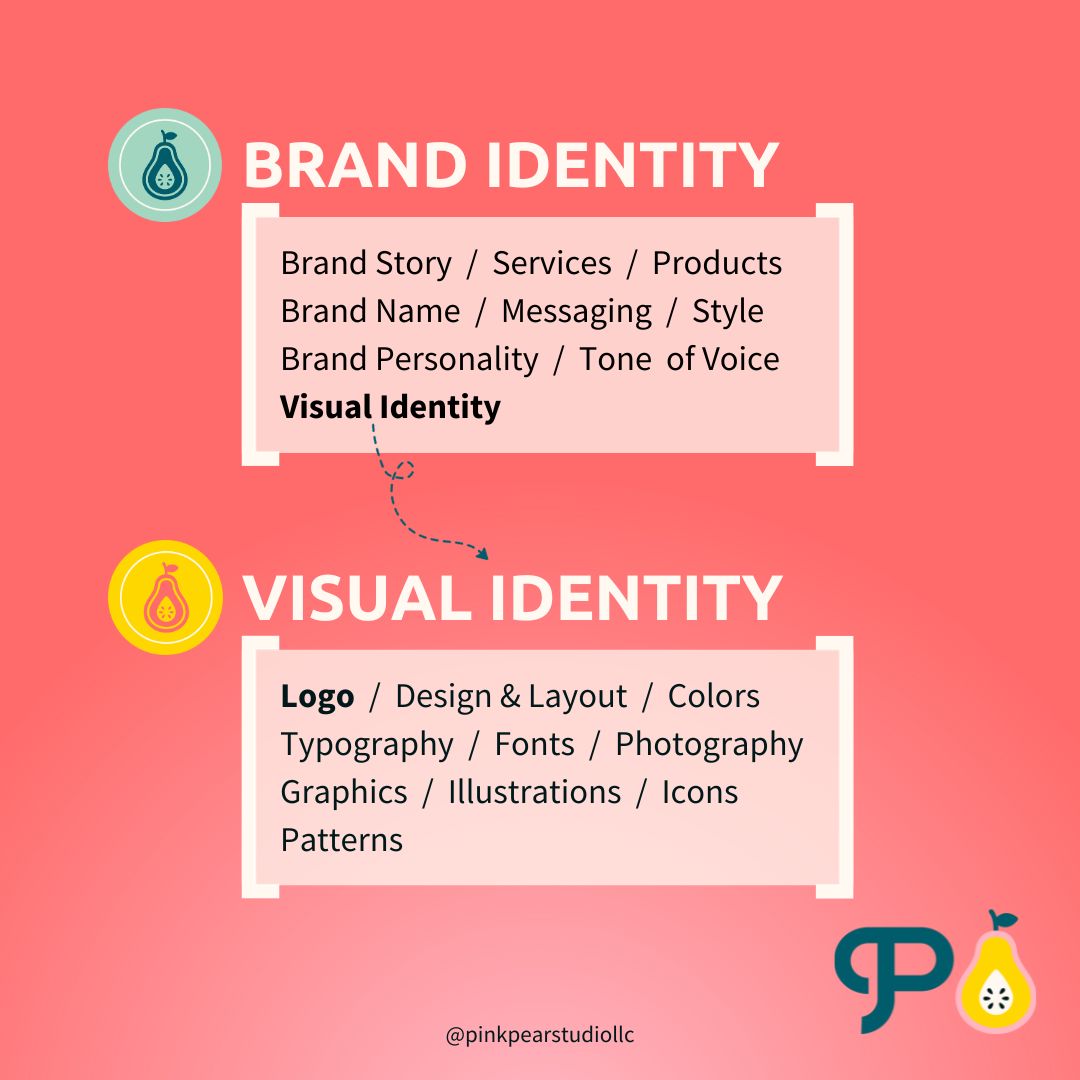
So, now that your strategy is in place, what do you need besides a logo?
Many times I get clients coming to me saying, “I just need a logo.” However, my response is you actually need more than a logo to fully represent your brand. Creating a visual brand goes beyond selecting a few colors and a logo design. Several critical elements contribute to a comprehensive visual brand identity:
- Logo: This is the most recognizable part of your brand, but it should be a representation of the brand’s overall identity, not the identity itself. Having a logo suite (a primary logo, sub logos, and a brand mark) will give you the flexibility you need to display your visual brand on a multitude of print and digital applications.
- Color Palette: Colors evoke emotions and can influence perceptions, which is why working with a designer who understands color psychology is so important. The chosen palette should reflect the brand’s personality and values.
- Typography: Fonts play a crucial role in conveying the brand’s tone. Are you modern and sleek, or strong and bold? Typography helps communicate that. A good designer can curate a selection of fonts that pair well together.
- Imagery and Graphics: The style of photography, illustrations, and graphics used should be consistent and align with the brand’s message and overall vibe.
- Layout and Design: How elements are arranged in marketing materials and on the website affects the brand’s clarity and professionalism.
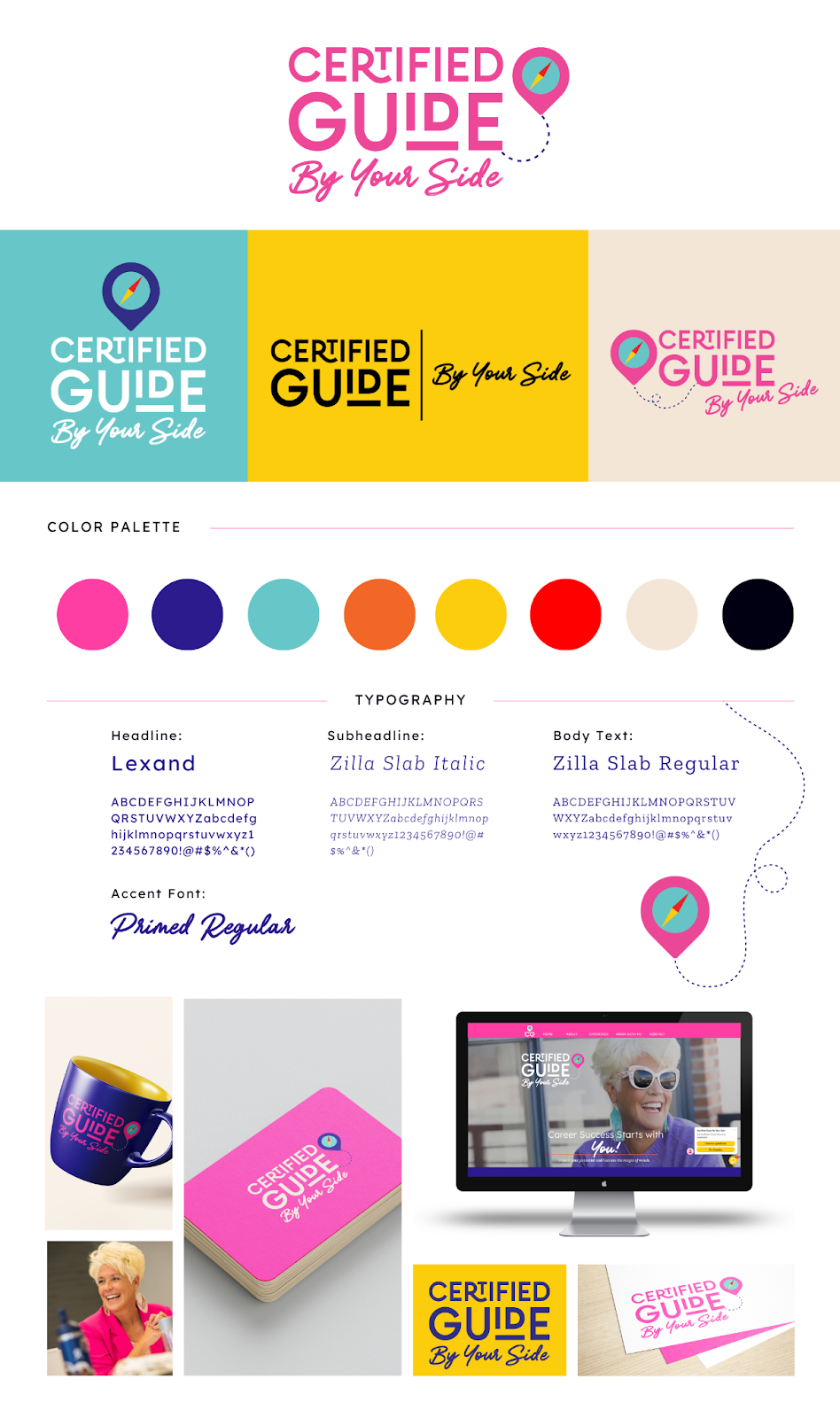
Client: Certified Guide By Your Side | Project: Visual Brand Design
Why Consistency is Key
Consistency in branding is essential for building trust and recognition with your audience. Your goal should be to make your business the first one that comes to mind when people think of your service. You want your target audience to see your brand and immediately think, “Yes! This is exactly what I need!” Investing in a well-defined brand strategy and a visual identity that reflects it ensures that your marketing efforts will be effective and impactful.

Client: Universal Home Lending | Project: Brand Refresh and Social Media Posts
How To Reflect Your Branding in Your Photos
As Leslie Campbell has highlighted the importance of a clear brand strategy, I wanted to share some practical tips from my perspective as a professional headshot and branding photographer. These insights will help you effectively reflect your brand identity in your photos.
- Understand Your Brand Values: Before any photoshoot, clarify your brand’s core values. These values should be the foundation of your visual identity. For instance, if your brand is all about professionalism and reliability, your photos should exude these traits through formal attire, confident poses, and neutral backgrounds.
- Choose the Right Colors: Colors play a significant role in branding. Incorporate your brand colors into your photoshoot through clothing, backgrounds, and props. Consistent use of these colors helps reinforce brand recognition and creates a cohesive visual story.
- Express Your Brand Personality: Your photos should capture the personality of your brand. Whether it’s friendly and approachable, bold and dynamic, or elegant and sophisticated, make sure your expressions, poses, and settings reflect these characteristics.
- Professional Guidance: Working with a professional photographer who understands branding can make a significant difference. They can provide valuable insights and ensure that every shot aligns with your brand strategy.

Ready to dive in?
I’d love to partner with you to create a brand that not only looks amazing, but also strategically positions you for success. If this resonates with you, reach out today via my website, www.pinkpearstudio.art, to schedule your Brand Discovery session and start your journey towards impactful, cohesive branding!
Leslie Campbell
Owner + Brand Strategist + Brand Designer
Pink Pear Studio LLC
Tara Flannery is a Certified Professional Photographer (CPP), Photographic Craftsman, and Master of Photography based in Houston, TX. Tara Flannery Photography specializes in senior portraits. See more senior photos in the gallery. Contact me to book your senior portrait today!